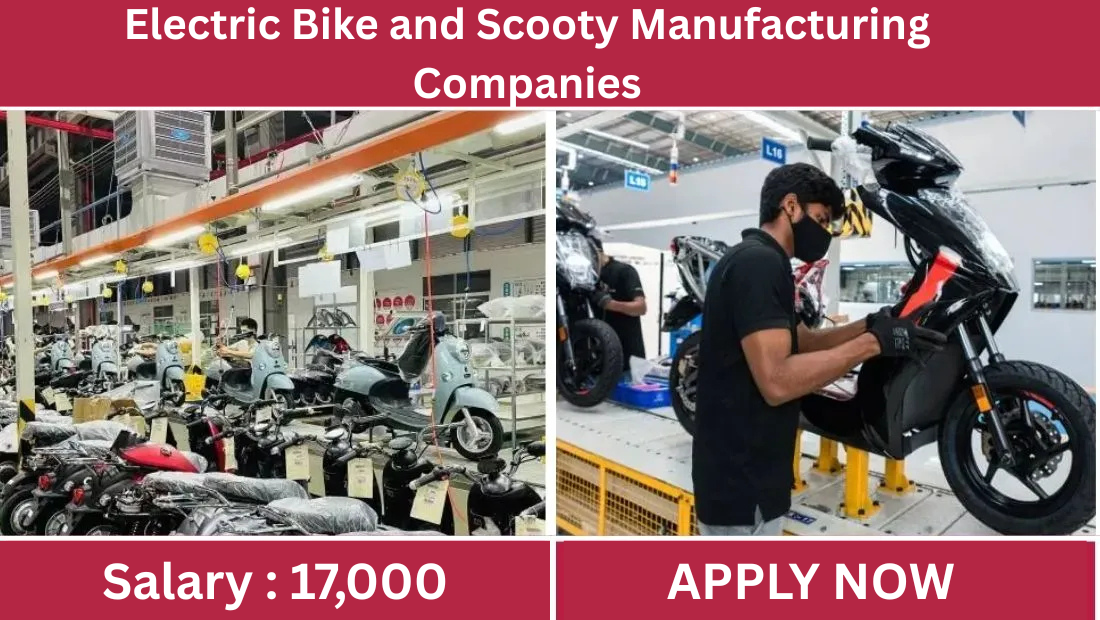
The global shift toward green mobility is accelerating faster than ever, and India is right at the forefront of this movement. Among the many innovations driving this change, electric bikes and Scooty (e-bikes) have emerged as one of the most practical, sustainable, and cost-effective alternatives to conventional vehicles. As environmental concerns and fuel prices continue to rise, more people are turning toward electric bikes and Sc as their primary mode of commuting.
By 2025, electric bike and Scooty manufacturing companies across India are setting new benchmarks for innovation, affordability, and sustainability. These manufacturers are not only producing bikes — they’re building the foundation for a cleaner, greener, and smarter transportation future.
This article explores the growing electric bike and Scooty industry in India, highlights the leading manufacturers, and examines the technologies, challenges, and opportunities that are shaping this revolutionary sector.
The Rise of Electric Mobility in India
Over the past few years, India’s transportation landscape has undergone a significant transformation. The shift from petrol and diesel-powered vehicles to electric alternatives has gained momentum, driven by a combination of government incentives, technological progress, and consumer awareness.
Electric bikes and Scooty, in particular, have become a preferred choice for urban commuters. They provide a sustainable and affordable solution to traffic congestion, rising fuel costs, and air pollution — three of India’s biggest urban challenges.
Unlike electric cars, e-bikes are more accessible, require less charging infrastructure, and can easily navigate through city traffic. They also come with lower ownership costs, making them ideal for both city riders and rural users seeking efficient transport.
Why Electric Bikes and Scooty Represent the Future of Transportation
Electric bikes and Scooty are transforming the way people think about mobility. Let’s look at some of the major reasons why they are considered the future of transportation in India and beyond.
1. Environmentally Friendly
E-bikes produce zero tailpipe emissions, making them one of the cleanest modes of transportation available. By switching from petrol-powered scooters to e-bikes, individuals contribute to reducing air pollution and overall carbon emissions, helping combat climate change.
2. Cost-Efficient
The cost of running an electric bike and Scooty is significantly lower than that of a petrol bike. With minimal maintenance requirements, lower electricity costs compared to fuel, and fewer moving parts, electric bikes are highly economical over time. Many riders can save thousands of rupees annually on fuel alone.
3. Noise-Free Mobility
Electric bikes and Scooty offer a quiet and smooth ride, which improves not only the rider’s experience but also contributes to reducing noise pollution — a growing problem in Indian cities.
4. Health Benefits
E-bikes provide an opportunity for light physical activity while commuting, especially for pedal-assist models. They allow people of all ages to enjoy cycling with less strain, encouraging a healthier and more active lifestyle.
5. Government Support and Incentives
The Indian government actively promotes electric vehicles through schemes like FAME II (Faster Adoption and Manufacturing of Hybrid and Electric Vehicles). These programs offer subsidies, tax benefits, and reduced registration fees, making electric bikes and Scooty more affordable for consumers.
Leading Electric Bike and Scooty Manufacturers in India
India is now home to several dynamic electric bike and Scooty manufacturing companies that are innovating across performance, design, and sustainability. Here’s a look at the top players driving this change.
1. Hero Electric
Hero Electric, a pioneer in India’s EV sector, has been one of the earliest and most trusted brands in the country’s electric mobility market. With a diverse lineup ranging from budget-friendly commuter models to performance-oriented scooters, Hero Electric has established a strong presence nationwide.
The company’s focus on quality, reliability, and innovation has helped it maintain leadership in the market. Hero’s e-bikes often come with advanced features like smart connectivity, GPS tracking, and long-lasting lithium-ion batteries. They are also designed to suit different needs — from city commuters to delivery service riders.
2. Ather Energy
Ather Energy, based in Bengaluru, represents the cutting edge of electric bike and Scooty innovation in India. Known for its futuristic design and premium technology, Ather’s scooters — like the Ather 450X — have gained immense popularity among urban riders.
These bikes come equipped with fast-charging capabilities, touchscreen dashboards, Bluetooth connectivity, and cloud-based navigation systems. Ather has also built its own charging network called Ather Grid, ensuring a seamless user experience for its customers.
With a strong focus on in-house R&D, Ather Energy continues to push the boundaries of what an electric bike and Scooty can achieve.
Salary: 2.4 LPA – 4.8 LPA + Performance-Based Incentive Per Month Salary 17,000
3. Bajaj Auto
A household name in the Indian automobile industry, Bajaj Auto has ventured into the electric segment with its flagship model, the Bajaj Chetak Electric. Reviving the classic Chetak brand, Bajaj has successfully blended nostalgia with modern technology.
The Chetak Electric stands out for its premium design, solid build quality, and efficient performance. Bajaj is also working toward expanding its EV network and production capacity to make electric bikes more accessible across India.
The company’s entry into the electric segment signals a strong commitment to sustainability and long-term innovation.
4. Okinawa Autotech
Okinawa Autotech is one of India’s fastest-growing electric two-wheeler companies, known for offering a wide range of affordable and performance-oriented electric scooters. The brand’s mission is to make green mobility accessible to everyone — whether they live in cities or rural regions.
Okinawa’s models feature detachable lithium-ion batteries, impressive mileage, and strong after-sales support. The company is also investing in R&D to enhance its product lineup and improve battery performance.
5. TVS Motor Company
Another major Indian two-wheeler manufacturer making strides in the electric mobility space is TVS Motors. Its electric scooter, the TVS iQube, combines style, performance, and smart features that appeal to tech-savvy commuters.
The iQube includes intelligent battery management systems, digital displays, smartphone connectivity, and cloud-based performance analytics. TVS has also expanded its presence in multiple cities and is working to enhance charging infrastructure across India.
Key Technologies Powering Electric Bike and Scooty Manufacturing
The success of electric bikes and Scooty relies heavily on advancements in technology. Manufacturers are continuously investing in R&D to improve efficiency, range, safety, and affordability. Here are some of the major technological innovations transforming the industry:
1. Lithium-Ion Batteries
Lithium-ion batteries have become the standard for electric bikes and Scooty due to their high energy density, longer lifespan, and faster charging capabilities. Compared to older lead-acid batteries, they are lighter, more durable, and offer better performance per charge.
2. Regenerative Braking Systems
This smart technology allows energy that is normally lost during braking to be converted back into stored battery power. It improves the overall energy efficiency of electric bikes and extends riding range.
3. Smart Connectivity
Modern e-bikes are equipped with digital dashboards, mobile apps, and GPS systems. These allow users to monitor speed, battery level, and riding statistics, as well as locate nearby charging points or perform remote diagnostics.
4. Fast-Charging Solutions
As convenience becomes a key factor in adoption, manufacturers are developing fast-charging systems that can recharge batteries in less than an hour. Some even offer portable chargers, making recharging possible anywhere.
5. Battery Management Systems (BMS)
Advanced BMS technology ensures battery safety and longevity by monitoring temperature, voltage, and current levels. This helps prevent overheating or overcharging, enhancing both safety and performance.
Challenges Faced by Electric Bike and Scooty Manufacturers
Despite the promising growth, the electric bike and Scooty manufacturing industry still faces a number of challenges that need to be addressed to achieve large-scale adoption.
1. High Battery Costs
Batteries account for nearly 30–40% of an electric bike’s and Scooty total cost. While global lithium prices are gradually declining, they still pose a challenge for manufacturers trying to balance affordability with performance.
2. Limited Charging Infrastructure
India’s charging infrastructure is improving but remains insufficient for widespread EV adoption. Many riders still face difficulty finding reliable charging stations, particularly outside major cities.
3. Consumer Awareness and Perception
A lack of awareness about the long-term cost savings and environmental benefits of electric bikes and Scooty often deters potential buyers. Some also have misconceptions regarding charging time, battery life, or vehicle performance.
4. Policy and Regulatory Hurdles
Although the government has launched several initiatives, inconsistent policies across states and evolving regulations sometimes create uncertainty for manufacturers. Clearer EV policies could help encourage investment and expansion.
Government Initiatives Driving Growth
To promote clean transportation, the Government of India has introduced several policies and incentive programs:
- FAME India Scheme (FAME II): Offers subsidies for electric vehicles and encourages manufacturers to set up local production facilities.
- Production Linked Incentive (PLI) Scheme: Aims to attract investment in EV components, including batteries and charging systems.
- GST Reduction: The Goods and Services Tax on electric vehicles has been reduced to 5%, making them more affordable.
- EV Charging Infrastructure Development: Both central and state governments are working with private companies to expand the charging network across cities and highways.
These policies are helping accelerate the adoption of e-bikes, making them a mainstream choice for millions of commuters.
Apply Job Here
The Road Ahead: Future of Electric Bike and Scooty Manufacturing
The future of electric mobility in India looks incredibly promising. According to industry experts, the Indian electric two-wheeler market is expected to grow at a compound annual growth rate (CAGR) of over 30% in the next decade.
Several factors will drive this growth:
- Technological Advancements: Continued innovation in battery efficiency, range, and charging will make e-bikes more competitive with traditional vehicles.
- Sustainability Awareness: Growing environmental consciousness among consumers is pushing demand for cleaner alternatives.
- Urbanization: With increasing traffic congestion and limited parking space, compact electric bikes and Scooty offer a practical solution for urban commuting.
- Corporate and Fleet Adoption: Delivery companies, ride-sharing platforms, and logistics providers are rapidly switching to electric fleets for cost savings and sustainability goals.
Furthermore, collaborations between startups, established automakers, and government agencies will help create a more robust EV ecosystem. The integration of artificial intelligence (AI), IoT, and data analytics in future e-bike models will enhance personalization, predictive maintenance, and real-time tracking — transforming how people interact with their vehicles.