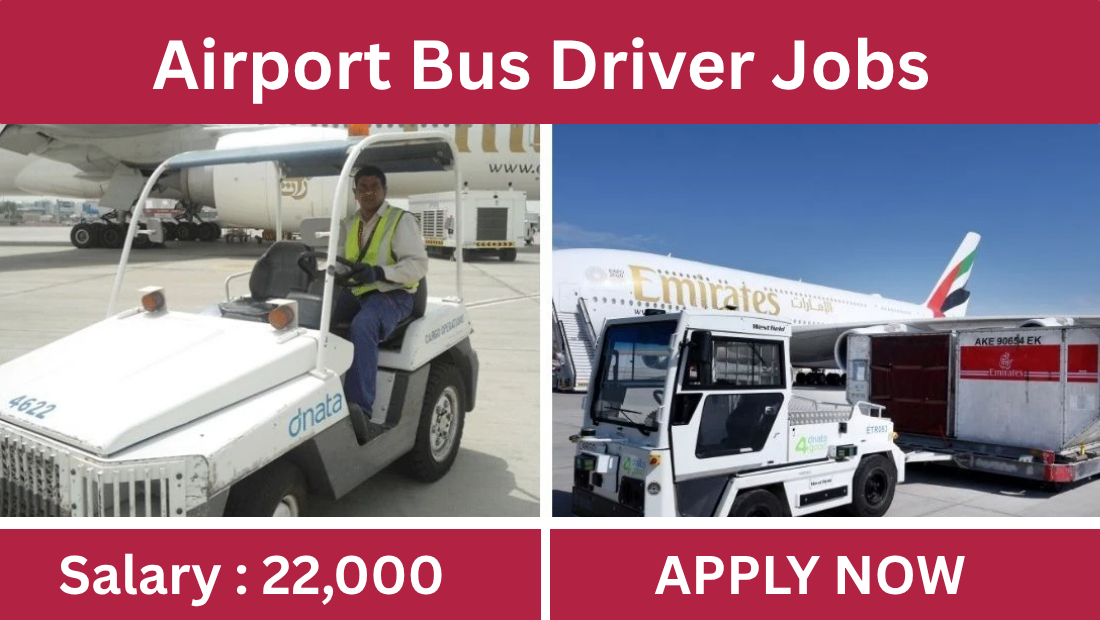
As the aviation industry continues to expand and airports experience record levels of passenger traffic, the demand for reliable and efficient ground transportation has never been greater. Among the various modes of airport transport, airport buses play a crucial role in connecting passengers from terminals to parking areas, hotels, and city centers. Ensuring that these buses operate smoothly and safely requires one key component — skilled and professional drivers.
If you are looking for a stable and rewarding driving career, becoming an airport bus driver could be the perfect opportunity. This article explores everything you need to know about this role, including responsibilities, qualifications, salary expectations, and the application process in India.
Why Choose a Career as an Airport Bus Driver?
Working as an airport bus driver is not just about driving passengers from one place to another. It’s about being part of a system that keeps airport operations running efficiently and passengers satisfied. This profession combines driving skills with customer service, time management, and safety awareness.
Here are some reasons why many drivers are choosing careers in airport transportation:
1. Job Stability and Security
The aviation and tourism industries in India have witnessed tremendous growth over the last decade. With airports expanding and new ones being developed across the country, the demand for airport transportation services continues to rise. This steady growth ensures long-term job stability for qualified and responsible drivers.
2. Competitive Salary and Benefits
Airport bus drivers are typically paid competitive salaries compared to other driving jobs. Depending on experience and the employer, drivers can earn ₹20,000 to ₹40,000 per month, along with overtime pay, health benefits, and other incentives. Senior drivers and supervisors can earn even more, with added perks like travel allowances and performance bonuses.
3. Work-Life Balance
Unlike long-haul truck or intercity bus drivers, airport bus drivers generally follow structured routes and shift schedules. This makes it easier to maintain a healthy work-life balance. Drivers usually work fixed hours, with shifts that allow for rest and family time.
4. Pride in Service
Driving an airport bus is a role of responsibility and pride. Drivers are often the first and last point of contact for passengers using airport transportation. By ensuring a safe, timely, and comfortable journey, drivers contribute significantly to the overall travel experience. This sense of contribution brings immense job satisfaction.
5. Career Growth Opportunities
Starting as an airport bus driver can open doors to other roles such as Senior Driver, Fleet Supervisor, or Operations Coordinator. With experience, drivers can move up the ladder within the organization, leading to better pay and greater responsibility.
Key Responsibilities of an Airport Bus Driver
The primary duty of an airport bus driver is to ensure that passengers are transported safely, efficiently, and comfortably. The role goes beyond just operating the bus—it requires professionalism, customer service, and attention to detail.
Here are the main responsibilities expected from an airport bus driver:
1. Safe Operation of the Bus
- Drive passengers to and from airport terminals, hotels, parking areas, and nearby transport hubs.
- Follow all traffic laws, airport driving regulations, and company safety protocols.
- Conduct pre-trip and post-trip inspections to ensure the bus is in proper working condition.
- Operate the vehicle responsibly in all weather and traffic conditions.
2. Passenger Assistance
- Assist passengers while boarding or alighting from the bus.
- Help elderly, differently-abled, or passengers with heavy luggage.
- Maintain a polite and professional attitude when addressing passenger concerns or queries.
- Ensure passengers are seated and secure before the bus moves.
3. Timely and Efficient Service
- Follow assigned routes and maintain punctuality according to the bus schedule.
- Communicate any delays or route changes to the operations team.
- Coordinate with other drivers to ensure continuous and smooth service between terminals or destinations.
4. Vehicle Maintenance and Reporting
- Keep the bus clean and well-maintained at all times.
- Check fuel, oil, air conditioning, tires, and emergency supplies regularly.
- Report any mechanical issues or maintenance requirements promptly to the management team.
- Ensure the bus is equipped with first-aid kits, fire extinguishers, and safety signage.
5. Communication and Coordination
- Maintain regular communication with the dispatch or operations team.
- Provide updates on traffic conditions, road closures, or unexpected events.
- Work closely with other airport staff to ensure passengers are served efficiently.
Skills and Qualifications Required
Although a college degree is not required for this role, certain skills, licenses, and qualifications are essential to become a successful airport bus driver.
Here’s what most employers look for:
1. Valid Commercial Driving License (CDL)
A valid Commercial Driving License (Heavy Vehicle License) is mandatory. Drivers must have the appropriate endorsements to operate passenger buses legally.
2. Experience
- Minimum of 2–3 years of experience driving buses or other large vehicles is preferred.
- Experience driving in airport environments or within organized transport systems is a bonus.
3. Good Communication Skills
Drivers must be able to communicate effectively with both passengers and colleagues. Basic English or Hindi proficiency helps in interacting with travelers from different backgrounds.
4. Physical Fitness
The job involves long hours of sitting, some lifting of luggage, and assisting passengers. Therefore, drivers should maintain good physical fitness and stamina.
5. Knowledge of Routes and Traffic Rules
Familiarity with local routes, airport roads, and traffic regulations ensures efficient and timely service. Knowledge of alternative routes is also valuable during traffic disruptions.
6. Customer Service Orientation
A professional driver must always maintain a calm, courteous, and helpful attitude. Handling complaints and inquiries with patience enhances passenger satisfaction.
7. Safety Awareness
Drivers must be aware of all safety protocols, including emergency procedures, defensive driving techniques, and hazard awareness.
Salary Expectations and Benefits
The salary for airport bus drivers in India varies based on several factors, including experience, location, and company policies. Below is a general overview:
| Job Role | Monthly Salary (INR) | Additional Benefits |
|---|---|---|
| Airport Bus Driver | ₹20,000 – ₹30,000 | Overtime pay, health insurance, job security |
| Senior Airport Bus Driver | ₹30,000 – ₹40,000 | Travel allowance, performance incentives |
| Supervisor / Fleet Manager | ₹40,000 – ₹50,000+ | Accommodation, leadership opportunities, bonuses |
In addition to the base salary, many companies offer incentives for safe driving records, attendance bonuses, and other perks. Drivers who perform exceptionally may also have opportunities for promotion or specialized training.
How to Apply for Airport Bus Driver Jobs
Applying for an airport bus driver job in India is a straightforward process. Here’s a step-by-step guide to help you get started:
1. Check for Job Openings
Look for current openings on:
- Airport websites (e.g., Delhi, Mumbai, Bengaluru, Hyderabad airports)
- Transportation and logistics company portals
- Government employment exchanges or recruitment websites like Naukri, Indeed, or Shine
2. Ensure Eligibility
Before applying, make sure you:
- Possess a valid Commercial Driving License (Heavy Vehicle)
- Meet the minimum age requirement (usually 18 years or older)
- Have relevant driving experience
- Are physically fit and medically cleared to drive passenger vehicles
3. Prepare and Submit Your Application
Most employers require you to:
- Fill out an online or physical application form
- Attach your resume or biodata
- Provide copies of your driving license, ID proof, and experience certificates
You may also be asked to fill out details such as:
- Full Name
- Contact Number
- Education level (5th, 8th, 10th, Diploma, or Graduate)
- Short personal introduction
- Availability and preferred time to contact
4. Attend the Interview
Once shortlisted, candidates are invited for an interview where employers assess driving experience, communication skills, and attitude toward customer service.
5. Take the Practical Driving Test
Many employers require candidates to undergo a driving skill test to evaluate their ability to handle large vehicles safely and efficiently.
6. Undergo Medical Examination
A basic medical check-up is usually mandatory to confirm physical fitness and visual health.
Once you pass all stages, you’ll receive an offer letter and details about training and onboarding.
Apply Job Here
Working Environment and Culture
Working as an airport bus driver offers a dynamic, fast-paced environment that combines teamwork, responsibility, and customer interaction. Here’s what you can expect on the job:
1. Team Collaboration
Drivers work closely with other airport staff, including security, operations, and customer service teams. Collaboration is essential to maintain smooth airport transportation services.
2. Shift-Based Work
Since airports operate around the clock, airport bus drivers usually work in shifts — mornings, evenings, nights, or weekends. This ensures continuous service for passengers arriving or departing at all hours.
3. Passenger Interaction
Every day brings new interactions with diverse passengers — tourists, business travelers, families, and more. Maintaining professionalism, patience, and courtesy in every interaction is key.
4. Safety First Culture
Safety is paramount in airport transport. Drivers receive regular safety training, covering topics like emergency evacuation, first aid, and defensive driving. Adherence to airport security regulations is mandatory.
5. Professional Growth and Learning
Many transport companies and airport authorities offer driver development programs to help employees improve their skills and advance in their careers. Drivers may also receive refresher training on traffic rules, customer handling, and technology use.