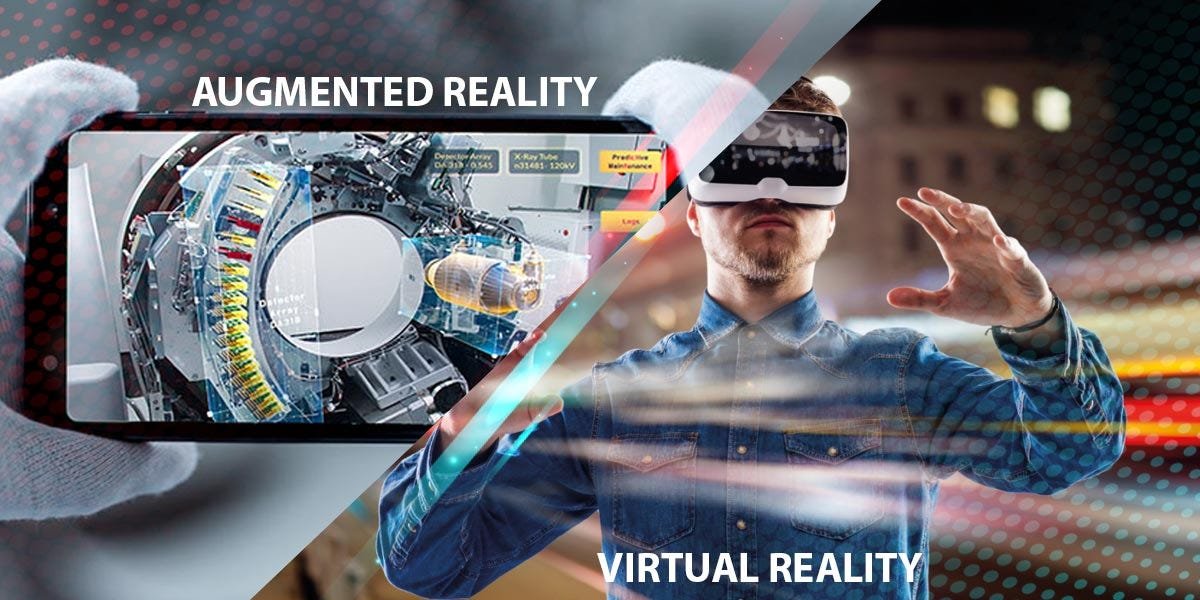
As we traverse the fast-changing world of digital technology, mixed reality is emerging as a leading force in innovation, revolutionizing our interaction with both digital and physical spaces. Meta is thrilled to introduce a game-changing advancement set to redefine the mixed reality experience. Our new initiative aims to create a more inclusive and expansive ecosystem, enabling a wider array of users and developers to engage with and benefit from mixed reality technology. This article explores the specifics of our new approach, the launch of Meta Horizon OS, and the expected effects on consumers, developers, and the broader mixed reality industry.
The Evolution of Mixed Reality Technology
Mixed Reality (MR) Overview:
- Definition: Represents a significant advancement from traditional virtual reality (VR) and augmented reality (AR), merging the physical and digital worlds for immersive and interactive experiences.
- Advancements: Recent developments have led to more sophisticated and engaging MR applications across various sectors, including gaming, entertainment, education, and productivity.
Meta’s Role in MR:
- Leadership: Meta has been a leading force in the evolution of MR technology, with substantial investments in developing MR solutions.
- Vision: Aims to create a more inclusive and versatile MR ecosystem, providing users with diverse choices and experiences.
New Initiative:
- Open Platform: Meta is taking a significant step by opening up the operating system that powers Meta Quest devices to third-party hardware makers.
- Impact: This shift from a closed system to an open platform marks a pivotal change, setting the stage for a new era of innovation and collaboration.
Unveiling Meta Horizon OS
At the heart of this new initiative is Meta Horizon OS, the next-generation operating system designed to power our mixed reality devices. Meta Horizon OS represents the culmination of a decade of research and development, incorporating a suite of advanced technologies and features that enhance the MR experience.
Core Technologies
Meta Horizon OS integrates several core technologies that are essential for delivering immersive mixed reality experiences:
- Inside-Out Tracking: This technology enables devices to track their position and movement within a physical space without the need for external sensors. It allows for more accurate and responsive interactions in the virtual environment.
- Self-Tracked Controllers: These controllers are equipped with sensors that enable them to track their own position and movement, providing users with more precise control and a more natural interaction experience.
- Hand, Eye, Face, and Body Tracking: These technologies enable devices to capture and interpret a range of human gestures and expressions, enhancing the realism and depth of virtual interactions.
- High-Resolution Passthrough: This feature allows users to see their physical surroundings through their MR device, blending the digital and physical worlds seamlessly.
- Scene Understanding and Spatial Anchors: These technologies help devices recognize and interact with physical objects and environments, enabling more meaningful and contextually aware virtual experiences.
Meta Horizon OS builds upon the foundations of the Android Open Source Project, evolving from its mobile origins into a comprehensive mixed reality platform. It provides developers with a robust set of tools and features to create innovative applications, while also offering a suite of content discovery and monetization platforms.
Expanding the Ecosystem: Collaborations with Leading Technology Companies
Our commitment to fostering an open mixed reality ecosystem has attracted collaboration from several leading global technology companies. These partnerships are instrumental in bringing new devices and innovations to the Meta Horizon OS platform:
- ASUS Republic of Gamers: Known for its expertise in gaming solutions, ASUS is developing a new performance gaming headset that will leverage Meta Horizon OS to deliver exceptional gaming experiences. This collaboration aims to push the boundaries of what is possible in gaming and mixed reality.
- Lenovo: Building on its experience co-designing the Oculus Rift S and engineering leading devices like the ThinkPad laptop series, Lenovo is working on mixed reality devices focused on productivity, learning, and entertainment. This partnership will enhance the versatility and utility of mixed reality technology.
- Xbox: Our collaboration with Xbox has already brought Xbox Cloud Gaming (Beta) to Meta Quest, allowing users to play Xbox games in a large 2D virtual environment. We are now working together to create a limited-edition Meta Quest inspired by Xbox, further integrating our mixed reality technology with gaming.
All of these innovations will benefit from our ongoing partnership with Qualcomm Technologies, Inc., which provides the Snapdragon® processors that are tightly integrated with our software and hardware stacks. This collaboration ensures that the new devices built on Meta Horizon OS will deliver high-performance and seamless mixed reality experiences.
Enhancing the App Ecosystem: Opportunities for Developers
A key component of our open mixed reality ecosystem is the expansion of opportunities for developers. By removing barriers between the Meta Horizon Store and App Lab, we are making it easier for developers to reach a broader audience and showcase their work:
- App Lab Integration: App Lab allows any developer who meets basic technical and content requirements to release software on our platform. Soon, App Lab titles will be featured prominently in a dedicated section of the Meta Horizon Store, making them more accessible to a larger audience.
- Spatial App Framework: We are developing a new spatial app framework to help mobile developers create mixed reality experiences. This framework will enable developers to use familiar tools to adapt their mobile apps for Meta Horizon OS or to create entirely new mixed reality applications.
Apply Here
The Impact of an Open Ecosystem
The transition to a more open mixed reality ecosystem represents a significant opportunity for all stakeholders involved:
- Consumers: A more open ecosystem provides consumers with greater choice and access to a diverse array of devices and experiences. Whether for gaming, productivity, or entertainment, users will have more options to suit their preferences and needs.
- Businesses: Businesses will benefit from an expanded market for their mixed reality applications and solutions. With more devices available to run their software and more opportunities to engage with customers, businesses can explore new avenues for growth and innovation.
- Developers: Developers will have access to a larger platform and more tools to create and distribute their applications. This environment encourages experimentation and innovation, driving the continued advancement of mixed reality technology.